Keyhole Surgery for Pets: What It Is and Why Vets Recommend It
Modern veterinary medicine is advancing rapidly, and one of the biggest innovations now widely available in the UK, is keyhole surgery for pets, also known as laparoscopic surgery. This minimally invasive procedure is transforming the way vets diagnose and treat certain conditions, offering safer and more comfortable surgical experiences for dogs, cats, and other companion animals.
Whether you’re researching spay options, exploring diagnostic procedures, or simply looking for the best care for your pet, understanding why DNA Vetcare recommends keyhole surgery can help you make an informed decision.
What Is Keyhole Surgery for Pets?
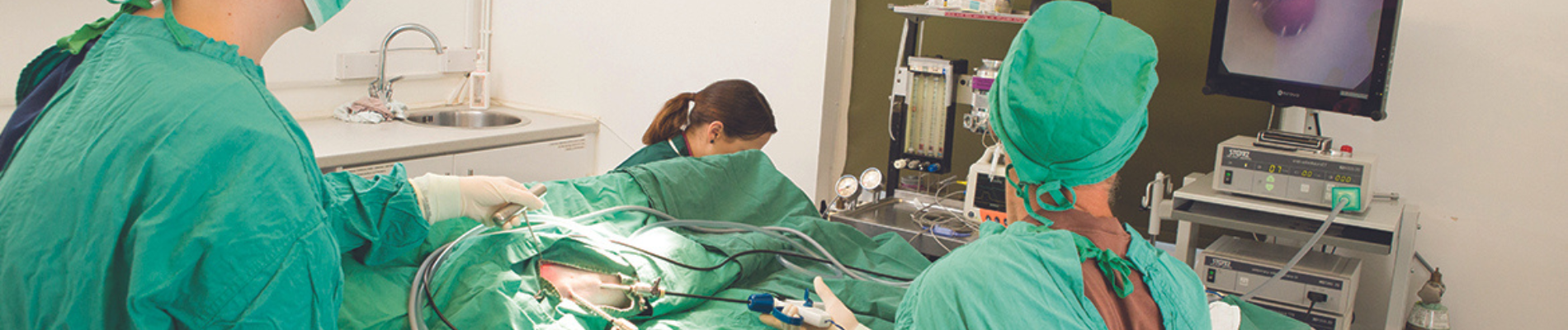
Keyhole surgery is a surgical technique that uses extremely small incisions, typically between 0.5 and 1 cm, to perform operations inside the abdomen or chest. Instead of opening the entire surgical area through a long incision, vets use:
- A high-definition laparoscope (camera)
- Specialised long surgical instruments
- A digital monitor displaying a magnified internal view
Carbon dioxide gas is often used to gently expand the abdomen, creating space and improving visibility. This makes the surgery far less intrusive, reducing tissue trauma and speeding up healing time.
Because of these benefits, many veterinary practices are investing in laparoscopic technology as a standard part of their surgical services.
How Keyhole Surgery Works: Step-by-Step
To help pet owners better understand the process, here’s a simple breakdown:
1. Anaesthesia and Preparation
Your pet is safely anaesthetised and monitored throughout the procedure. Our skilled vets prepare the small surgical sites and ensure sterile conditions.
2. Tiny Incisions
Two or three tiny incisions are made to insert the camera and surgical instruments.
3. Visualisation on Screen
The vet performs the surgery while viewing a magnified, high-resolution image of your pet’s internal organs on a monitor.
4. Precision Surgery
Instruments perform cutting, suturing, or tissue removal with minimal disturbance to surrounding areas.
5. Closure
Each tiny incision is closed with a single stitch or surgical glue – no large sutures or heavy bandaging required.
This streamlined process dramatically reduces the amount of physical trauma compared to open surgery.
Common Keyhole Procedures Performed by DNA Vetcare
Keyhole surgery can be used for a variety of routine and specialist procedures, including:
Laparoscopic Spays (Ovariectomy and Ovariohysterectomy)
A keyhole spay for dogs is one of the most widely requested procedures from pet owners because it reduces pain and speeds recovery compared to traditional spaying.
Abdominal Exploratory Surgery
Ideal for investigating medical concerns without resorting to large incisions.
Organ Biopsies
Liver, kidney, pancreatic, or intestinal biopsies can be taken safely and precisely.
Laparoscopic Cryptorchid Castration
Essential for male pets with retained testicles located in the abdomen.
Prophylactic Gastropexy for Large Breeds
Often performed alongside spaying or neutering to prevent gastric torsion (bloat).
Why Vets Recommend Keyhole Surgery: Key Benefits
1. Faster and More Comfortable Recovery
Pets undergoing laparoscopy often return to normal activity far sooner, sometimes within 24-48 hours, because healing is quicker with smaller incisions.
2. Significantly Reduced Pain
Multiple studies show that pets experience less post-operative discomfort with laparoscopy compared to traditional open surgery. Many owners report their pets needing fewer pain medications after keyhole procedures.
3. Lower Risk of Complications
Smaller wounds mean reduced chances of infection, accidental injury, or wound breakdown. This is particularly important for energetic pets who don’t always take it easy during recovery.
4. Better Visualisation for Vets
The magnified camera view provides excellent detail, helping vets identify subtle changes, locate organs accurately, and operate with greater precision.
5. Smaller, Neater Scars
Cosmetically, keyhole surgery leaves minimal scarring, an added benefit many owners appreciate.
6. Less Stress for Your Pet
Shorter recovery, less pain, and minimal disruption translate into a less stressful experience overall.
Is Keyhole Surgery Safe for All Pets?
While keyhole surgery is suitable for many dogs and some cats, it’s not always the best choice. Your vet will consider:
- Age, weight, and breed
- Underlying medical conditions
- The specific procedure required
- Your pet’s previous surgical history
In some cases, especially emergencies or complex abdominal issues, traditional open surgery might still be the safest option. Your vet will always recommend the method that provides the best clinical outcome.
How Much Does Keyhole Surgery Cost at DNA Vetcare?
While keyhole surgery can be more expensive than traditional procedures due to the specialist equipment and advanced training required, many owners find the benefits well worth the investment.
Costs typically vary based on:
- The type of procedure
- Your pet’s size
- The individual veterinary clinic
Many vets offer transparent pricing and package options for routine procedures like spays and gastropexies. It’s always best to request a detailed quote before booking.
What to Expect After Keyhole Surgery
Following surgery, most pets:
- Are awake sooner
- Can walk out of the practice the same day
- Eat normally within hours
- Need only minimal rest
- Require very limited wound care
Your vet will provide post-operative guidance, but in most cases, recovery is fast and straightforward.
Why Choose DNA Vetcare for Your Pets’ Keyhole Surgery
Keyhole surgery has become one of the most trusted modern techniques in veterinary medicine. With its combination of reduced pain, quicker recovery, and enhanced precision, it’s easy to see why more vets recommend it for both routine and specialist procedures. Our group was one of the first in South London and Kent to introduce keyhole surgery, and we have now carried out hundreds of successful procedures.
We’re proud to offer keyhole surgery across a range of our clinics!
If you’re considering keyhole surgery for your pet, or want advice on whether it’s the right option, our team at DNA Vetcare is here to provide expert guidance and compassionate care. If you would like to know more or book an appointment, please contact your local DNA Vetcare Surgery.